
Are You Dealing with a Dental Emergency?
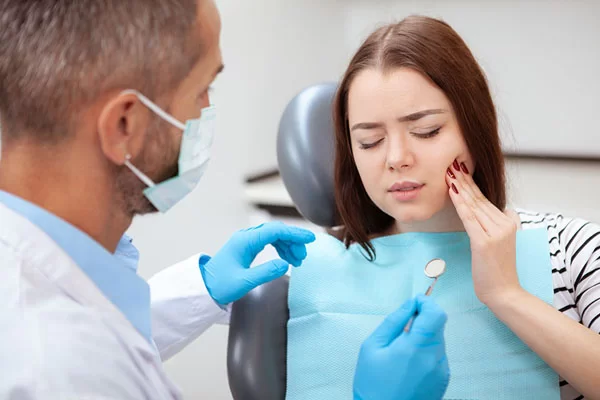
When a dental emergency strikes, whether it’s a throbbing toothache, a knocked-out tooth, or a crown that just popped off, every hour matters. At Gettings Family Dental, we hold time in our Loveland schedule specifically for patients who can’t wait for a routine opening. Our team is ready to relieve your pain, treat the underlying problem, and get you back to normal as quickly as possible.
If you’re dealing with a dental emergency, call (513) 677-3656 now. We’ll help you figure out how urgently you need to be seen and get you on the schedule.

Why Loveland Patients Choose Us for Emergency Care
Handling a true dental emergency well takes more than an open appointment slot. It takes the right diagnostic tools, a broad range of in-house treatment options, and a team that can keep you calm through a stressful moment.
- Dr. Nicole Gettings, a magna cum laude graduate of The Ohio State University College of Dentistry and an inductee of the Omicron Kappa Upsilon National Dental Honor Society, which recognizes top dental students
- Digital X-rays and intraoral photography at every emergency visit to make sure we’re treating the actual cause, not just the symptom
- A broad range of treatment under one roof, from fillings and crowns to gum treatment and dental implants, so an emergency visit can lead directly into the fix
What Counts as a Dental Emergency?
Emergency dental care covers any dental issue that needs immediate attention to relieve severe pain, stop bleeding, or save a tooth, as opposed to something that can reasonably wait for your next routine visit. The most common emergencies we see include:
- Severe toothaches
- Knocked-out or loosened teeth
- Cracked or broken teeth
- Lost crowns or fillings
- Dental abscesses
- Injuries to the soft tissue of the mouth
None of these should wait until your next checkup.
Common Dental Emergencies and What to Do
Severe Toothache
A persistent, intense toothache can point to decay, infection, or a cracked tooth. Rinse with warm water, gently floss around the tooth to clear any trapped debris, and take an over-the-counter pain reliever like ibuprofen. Avoid hot or cold foods, and call us right away. For a full breakdown of causes and treatment, see our emergency toothache treatment guide.
Knocked-Out Tooth
An avulsed tooth is one of the most time-sensitive emergencies we treat. Pick the tooth up by the crown, not the root, rinse it briefly if it’s dirty, and try to reinsert it into the socket. If that’s not possible, store it in milk and get to our office within 30 to 60 minutes. See our knocked-out tooth treatment guide for the full step-by-step protocol.
Cracked or Broken Tooth
A cracked or fractured tooth can expose sensitive nerves and cause sharp pain when biting down. Rinse with warm water, apply a cold compress, save any broken fragments in milk, and schedule an emergency visit. Our cracked and broken tooth treatment guide covers the different types of fractures and how we treat each one.
Broken Crown or Filling
A lost filling or crown leaves the tooth underneath vulnerable to decay and sensitivity. Cover the exposed area with dental wax, temporary cement, or sugar-free gum, avoid chewing on that side, and contact us for a repair. You’ll find full details in our broken crown and filling repair guide.
Dental Abscess
An abscess is a painful infection at the root of a tooth or in the gums, often with visible swelling or pus. Rinse with warm salt water and seek care right away, since an untreated abscess can spread well beyond the tooth. See our dental abscess treatment guide for symptoms and treatment options.
Soft Tissue Injuries
Cuts, tears, or bleeding in the gums, tongue, lips, or cheeks need prompt attention, especially if bleeding doesn’t stop with pressure. Rinse gently, apply firm pressure with gauze, and use a cold compress for swelling. Our soft tissue injury treatment guide walks through the different types of injuries and when stitches are needed.
What to Expect During Your Emergency Visit
When you arrive at Gettings Family Dental for an emergency, we follow a straightforward process built around getting you relief as quickly as possible.
- Immediate Assessment: We evaluate your symptoms and take digital X-rays if needed to identify exactly what’s causing the problem.
- Pain Management: We use local anesthesia or other pain relief measures right away to keep you comfortable throughout the visit.
- Treatment Plan: Dr. Gettings walks you through your options, whether that’s a filling, root canal, extraction, or another procedure, and answers any questions before moving forward.
- Treatment: We perform the necessary procedure with the same care and precision as any scheduled appointment, just on an urgent timeline.
- Aftercare Guidance: You’ll leave with clear instructions covering medication, diet, and any follow-up visits needed to complete your treatment.
What Emergency Dental Care Costs
Cost varies widely depending on what’s actually wrong, since “emergency care” can mean anything from a simple filling to a root canal and crown. Generally, emergency dental treatment ranges from around $50 for a straightforward exam or minor filling to $2,000 or more for more involved procedures, like root canal therapy combined with a crown.
We file most insurance claims on your behalf and offer CareCredit financing for patients who prefer to spread out the cost. We’ll always explain your treatment plan and give you a clear cost estimate before starting any procedure. For cost specifics tied to a particular emergency, each of the guides linked above includes a more detailed breakdown.
How to Prevent a Dental Emergency
While some emergencies are simply unavoidable, a handful of consistent habits meaningfully lower your risk across the board.
- Keep up with twice-daily brushing with a fluoride toothpaste and daily flossing to prevent the decay and gum disease behind many emergencies
- Wear a custom-fitted mouthguard for contact sports, and ask us about a nightguard if you grind or clench at night
- Skip chewing on ice, popcorn kernels, or hard candy, which are common causes of cracked teeth and dislodged crowns
- Keep up with routine six-month dental checkups, where we can often catch a developing problem well before it becomes a genuine emergency
- Never use your teeth as tools to open packaging or bottles
- Address a sharp tooth edge, loose crown, or ill-fitting appliance as soon as you notice it rather than waiting for it to cause bigger problems



Frequently Asked Questions
Seek emergency care for severe tooth pain, facial swelling, uncontrolled bleeding, a knocked-out or badly loosened tooth, a broken tooth, or signs of infection, like a pimple-like bump on the gums or a fever. When in doubt, call us and describe your symptoms so we can advise you.
An ER can manage severe trauma, uncontrolled bleeding, or a serious infection, but most emergency rooms don’t have the equipment or specialized training for treatments like reattaching a tooth or performing a root canal. For most dental emergencies, our office is the right first call.
Cost depends entirely on the treatment needed and can range from the cost of a simple exam to a more involved procedure, like a root canal. We’re upfront about cost before treatment begins, and we work with most insurance plans and offer financing options.
Call our office and follow the instructions on our voicemail for urgent situations. For true emergencies, like uncontrolled bleeding, difficulty breathing or swallowing, or a serious facial injury, go to the nearest emergency room right away.
Most dental insurance plans cover at least a portion of emergency care when it’s medically necessary, though coverage varies by plan and treatment. Our team is happy to help you understand your specific benefits and file claims on your behalf.
Visit Our Emergency Dentist in Loveland
A dental emergency doesn’t wait, and neither should you. Whatever you’re dealing with, from a nagging toothache to genuine dental trauma, our Loveland dental team is ready to help.
Contact Gettings Family Dental at (513) 677-3656. We proudly serve patients throughout Loveland, Mason, Montgomery, Lebanon, Milford, and the greater Cincinnati area.