
Are You a Good Candidate for Professional Teeth Whitening?
You’ve been staring at your smile in the mirror, noticing how dull your teeth have become. Coffee, red wine, and years of everyday wear have left their mark. You wonder if professional teeth whitening could bring back that brightness you once had.
Not everyone qualifies for professional teeth whitening, and that’s actually a good thing. Dr. Nicole Gettings and Dr. Nicole Gettings at Nicole Gettings, DDS, take the time to evaluate each patient individually. We want to make sure you get results that are safe, effective, and long-lasting.
Ready to discover if professional teeth whitening is right for you? Call our Loveland dental practice at (513) 677-3656 to schedule your comprehensive evaluation. We proudly serve patients from Mason, Montgomery, and Lebanon with personalized cosmetic dentistry solutions.
Meet Your Teeth Whitening Team at Nicole Gettings, DDS
Dr. Nicole Gettings has been brightening smiles in the Cincinnati area for over 30 years. After graduating from Xavier University and completing his dental degree at Ohio State University, he completed a general practice residency at Miami Valley Hospital. His artistic approach to dentistry means he doesn’t just whiten teeth—he creates naturally beautiful results.
Dr. Nicole Gettings grew up on a dairy farm in Maria Stein, OH, and brings that down-to-earth approach to patient care. She graduated magna cum laude from both the University of Dayton and The Ohio State University College of Dentistry. Her attention to detail during consultations ensures you understand exactly what to expect from your whitening treatment.
What Is Professional Teeth Whitening?
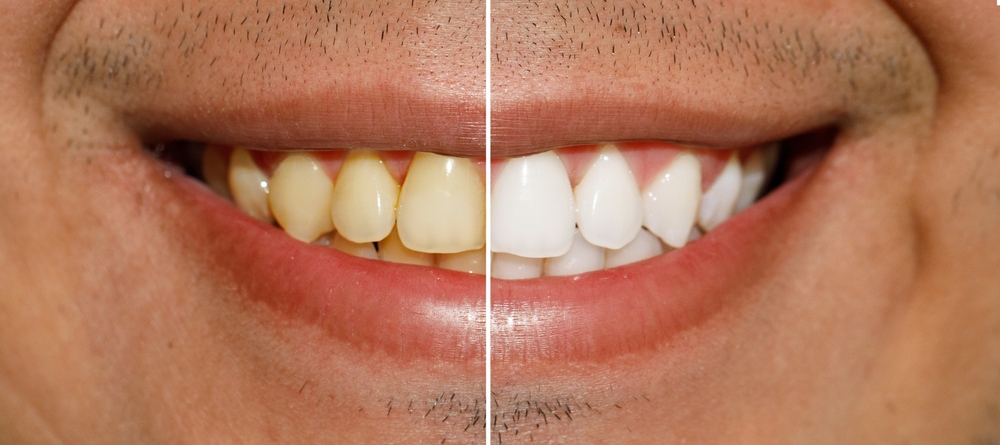 Professional teeth whitening is an in-office cosmetic dental procedure that uses concentrated bleaching agents to remove stains and discoloration from your natural tooth enamel. Unlike over-the-counter products, professional treatments are carefully supervised by licensed dentists who can customize the strength and application method to your specific needs.
The procedure typically takes 60 to 90 minutes and can lighten teeth by several shades in a single visit, delivering dramatically brighter results that last significantly longer than store-bought whitening kits.
Who Is an Ideal Candidate for Professional Teeth Whitening?
Patients With Healthy Teeth and Gums
Your oral health comes first. Ideal candidates have no active cavities, gum disease, or untreated dental issues. Whitening agents can penetrate damaged enamel and cause significant discomfort if applied to unhealthy teeth. We’ll perform a thorough examination before recommending whitening. If we discover any problems, we’ll treat those first.
Adults 18 Years and Older
Tooth enamel continues developing through the teenage years. Young people under 18 have more porous enamel that can react unpredictably to whitening agents. The increased porosity can lead to extreme sensitivity. It can also result in uneven whitening patterns that look worse than the original discoloration.
People With Surface Stains From Food and Beverages
Coffee drinkers, tea lovers, and red wine enthusiasts make perfect candidates. These surface stains respond beautifully to professional whitening treatments. Tobacco users also see dramatic improvements. Years of nicotine and tar buildup can be reversed in a single appointment.
Those With Yellow-Toned Discoloration
Yellow and light brown stains respond best to whitening treatments. The bleaching agents break down these pigments effectively and predictably. Gray-toned discoloration is trickier. It often comes from internal tooth structure rather than surface stains.
Patients With Realistic Expectations
You want whiter teeth, not glow-in-the-dark Chiclets. The best candidates understand that professional whitening creates natural-looking brightness. We’ll show you shade guides during your consultation. This helps you visualize realistic results for your specific tooth color.
Individuals With Minimal Dental Restorations
Natural teeth whiten beautifully. Crowns, veneers, bridges, and fillings don’t change color at all. If you have restorations on your front teeth, we’ll discuss alternative options. Sometimes replacing old restorations after whitening makes more sense.
Those Without Severe Tooth Sensitivity
Some sensitivity is normal during and after whitening. But if you already struggle with sensitive teeth, the treatment might be uncomfortable. We can pre-treat sensitivity in many cases. Desensitizing toothpaste used for two weeks before your appointment often helps.
Patients Committed to Maintenance
Professional whitening delivers stunning results that last 12 to 36 months with proper care. You’ll need to avoid staining foods and beverages immediately after treatment. Touch-up treatments every six to 12 months help maintain your brightness. We provide take-home trays for convenient maintenance.
Non-Smokers or Those Ready to Quit
Smoking after professional whitening immediately begins re-staining your teeth. Nicotine and tar create yellow-brown discoloration that counteracts your investment. Many patients use whitening as motivation to quit. The visible results remind them why they want to stay tobacco-free.
People With Good Overall Health
Certain medical conditions affect your candidacy. We need to know about any medications, allergies, or health issues before treatment. Some medications cause tooth sensitivity or photosensitivity. Others affect how your body responds to the whitening agents.
When Professional Teeth Whitening May Not Be the Best Option
 Active Gum Disease or Periodontal Issues
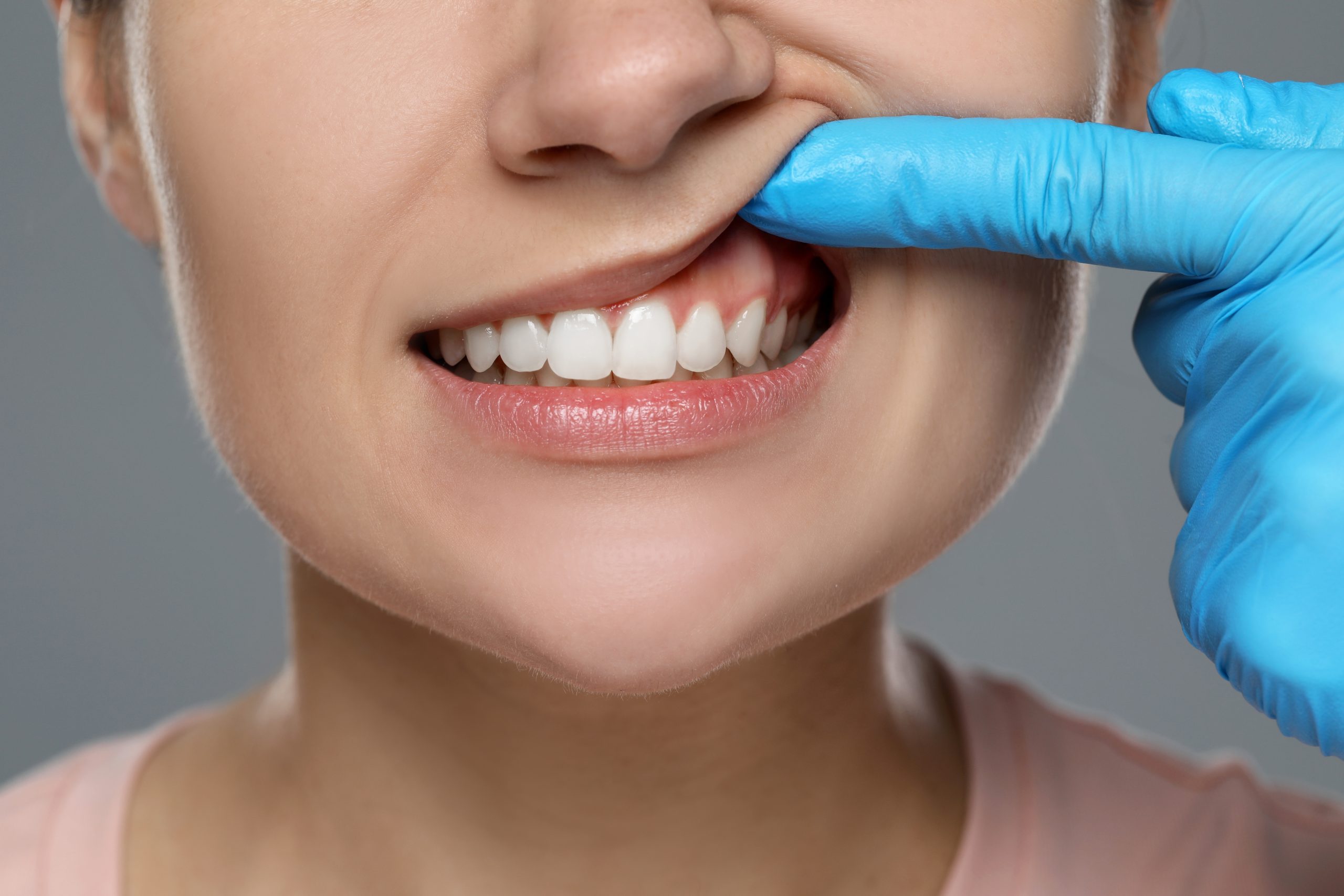
Inflamed, bleeding gums react poorly to whitening agents. The peroxide-based solutions will irritate diseased tissue and cause significant pain. We need to treat gingivitis or periodontitis first. Once your gums are healthy, we can safely proceed with whitening.
Pregnancy or Breastfeeding
There’s no definitive research proving whitening harms developing babies. However, pregnancy causes hormonal changes that affect oral health and increase sensitivity. We recommend waiting until after you’ve finished breastfeeding. Your smile will still be there, and the results will be better when your body has returned to normal.
Extensive Front Tooth Restorations
Crowns, veneers, and bonding on your front teeth won’t change color during whitening. This creates an obvious mismatch between your natural teeth and restorations. If you want whiter teeth and have front restorations, consider whitening first. Then we’ll replace your restorations to match your new, brighter shade.
Gray or Brown Discoloration From Antibiotics
Tetracycline staining creates deep gray or brown bands in tooth structure. These internal stains don’t respond well to standard whitening treatments. Veneers or dental bonding often work better for tetracycline discoloration. We’ll discuss all your options during your consultation.
Severe Tooth Sensitivity Issues
If cold drinks already make you wince, whitening might be unbearable. The treatment temporarily increases sensitivity in most patients. We can try desensitizing treatments first. If sensitivity remains severe, we’ll explore alternative cosmetic options.
Active Cavities or Tooth Decay
Whitening agents penetrate through cavities and reach the inner tooth structure. This causes severe pain and can damage the nerve tissue. We’ll fill any cavities before considering whitening. Treating decay first also prevents the problem from worsening during treatment.
 Root Canal Treated Front Teeth
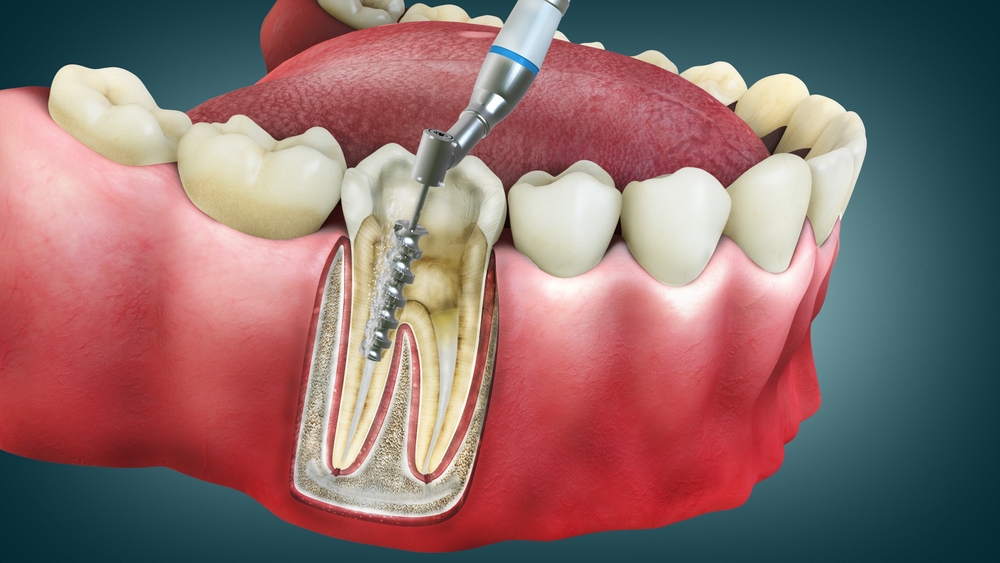
Teeth with root canals can darken from the inside out. External whitening won’t fix internal discoloration. Internal bleaching is a different procedure specifically for root canal-treated teeth. We can discuss this option if needed.
Worn Enamel or Exposed Dentin
Thin enamel or exposed tooth roots create extreme sensitivity during whitening. The treatment can be painful and may damage already compromised tooth structure. We need to address the underlying wear first. Sometimes fluoride treatments or bonding can strengthen teeth enough for future whitening.
What We Evaluate During Your Consultation
Our Loveland dentists, Dr. Gettings and Dr. Gettings, will give you an examination and determine the best whitening treatment for you. They’ll check:
- Current Tooth Color and Desired Results: We use professional shade guides to document your starting point and discuss realistic outcomes.
- Oral Health Status: A complete examination checks for cavities, gum disease, cracked teeth, and other issues. Any problems must be resolved before whitening to prevent complications.
- Existing Dental Work: We map out all dental crowns, fillings, veneers, and bonding. This shows you which teeth will whiten and which will need replacement to match your new shade.
- Tooth Sensitivity History: We discuss any previous sensitivity issues with hot, cold, sweet, or acidic foods.
- Medical History and Medications: Certain health conditions and medications affect whitening candidacy. We review your complete medical history to identify any potential concerns.
- Stain Type and Cause: We determine whether your discoloration comes from surface stains, internal tooth structure, or medication.
- Lifestyle Factors: Your coffee habit, wine consumption, and smoking status all impact results and longevity. We discuss realistic maintenance requirements based on your lifestyle.
Frequently Asked Questions
Can I whiten my teeth if I have braces?
No, we need to wait until your orthodontic treatment is complete. Brackets and wires prevent even whitening coverage, leaving dark squares where the brackets were attached. We recommend whitening two to four weeks after braces removal for beautiful, uniform results.
Will whitening damage my tooth enamel?
Professional whitening performed by a licensed dentist doesn’t damage healthy enamel when done correctly. We use carefully controlled concentrations and application times. Over-the-counter products used incorrectly cause more enamel damage than professional treatments because users often misuse them.
What if I have one dark tooth from an injury?
A single darkened tooth usually needs internal bleaching, not external whitening. We access the tooth from behind, place bleaching gel inside, and seal it temporarily. This treatment specifically targets trauma-related discoloration in one tooth.
Can I get my teeth whitened if I have receding gums?
Exposed tooth roots don’t respond to whitening and become extremely sensitive during treatment. We’ll evaluate the severity of your recession. Mild cases might tolerate treatment with desensitizing protocols, but significant recession rules out whitening.
Will whitening work on my dental bonding?
No, composite bonding material doesn’t change color during whitening treatments. If you have visible bonding on front teeth, we’ll need to replace it after whitening to match your new shade. This adds to your total treatment cost.
Is professional whitening safe during cancer treatment?
Cancer treatments often cause oral side effects, including severe sensitivity, dry mouth, and tissue changes. We recommend postponing whitening until you’ve completed treatment and your mouth has healed. Your overall health takes priority.
Discover Your Whitening Options With Nicole Gettings, DDS
Your smile tells your story before you say a word. Professional teeth whitening might be the confidence boost you’ve been looking for. During your consultation, we’ll evaluate your candidacy honestly and recommend the best approach for your specific situation.
Call our Loveland dental office at (513) 677-3656 to schedule your teeth whitening evaluation. Dr. Gettings and Dr. Gettings serve patients throughout Mason, Montgomery, Lebanon, and the greater Cincinnati area with over three decades of cosmetic dentistry excellence. We’ll help you determine if professional whitening is your path to a brighter, more confident smile.